The popular cartoon show Pokemon has captured the imagination of generations of people with their monsters and creatures that look like a mixture of two or three different animal. However, some creatures featured in the TV show resemble real life animals that fans are wanting to get them as pets.
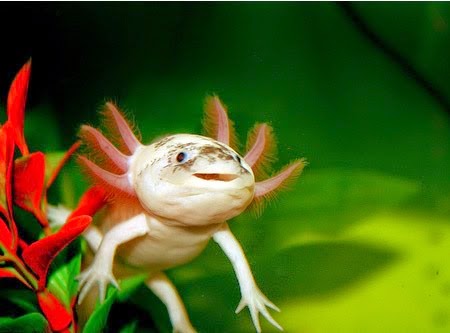
Pictures of axolotls, which are commonly known as Mexican Walking Fish, became viral on the internet because of their very close resemblance of the pokemon Mudkip. These animals have actually been bred in captivity and have been sold as pets for years. Although most people call them fishes, they’re actually amphibians. These animals are salamanders under the order Caudata/Urodela. They’re more closely related to frogs compared to fishes. Another common misconception about these animals is that they’re reptiles or lizards. However, amphibians are actually a whole different thing. Salamanders might resemble lizards, however they are a very different thing.

Captivity breed axolotls come in a variety of colors, including white albino, golden albino, leucistic or white with black eyes, different shades of brown, gray and the ever so popular blue. Other varieties also have solid colors like the melanoids which are nearly all black. Wild axolotls commonly are colored between the color rage of cream, brown or black. Some specimens also have a mixture of two or more colors.

They’re best placed in a cold environment. Lower temperatures may result to slower metabolism while higher temperatures could cause them stress and an increased appetite. They’re commonly feed salmon and trout pellets, live or frozen bloodworms, waxworms and earthworms.
{[[' ']]}
']]}
']]}


